

A camp is part of the travel arrangement, not simply a place to sleep between sightings. Its named location, shared facilities, meal arrangements and relationship to the planned outings all affect how a day feels. Consider those details before allowing a tent photograph to stand in for the whole experience.
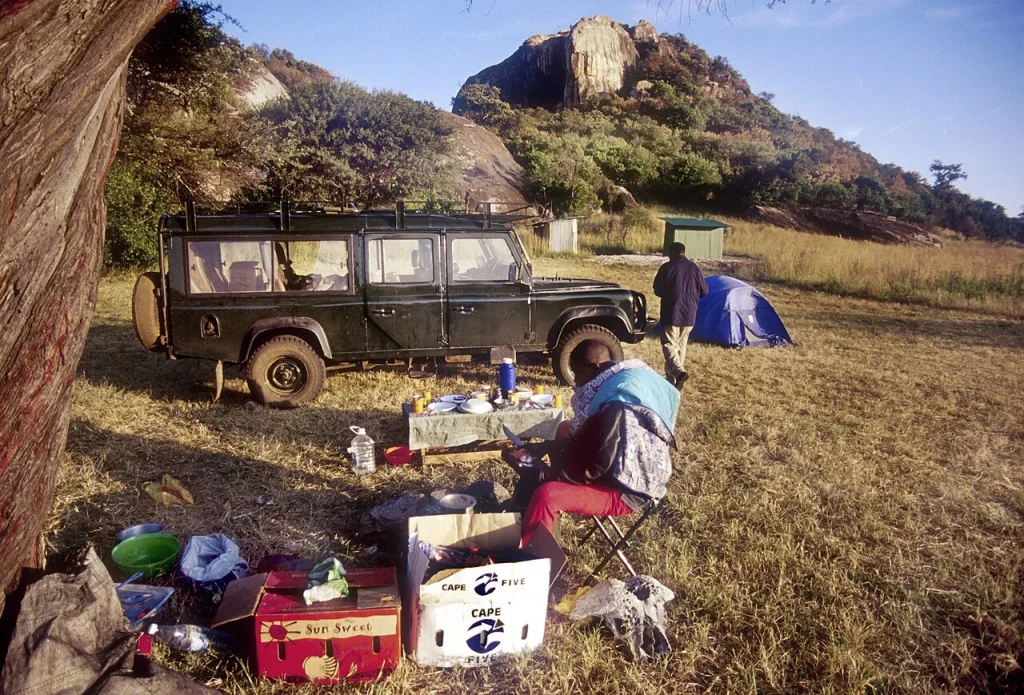
The opening image is a documentary camp view at Lobo, published in 2017 and credited to Jan Fleischmann in its source description. It records a particular scene with a vehicle, supplies and people. It is not a current accommodation listing, a photograph of our staff or an offer to stay at that exact setup.

Balloon Safari & Bush Breakfast in Tarangire - Miracle Experience
Miracle Experience is a premier eco-luxury Hot Air Balloon Safari company based in Tanzania. Our incredible safaris over the Serengeti and Tarangire N...

Balloon Safari & Bush Breakfast in Serengeti - Miracle Experience
Miracle Experience is a premier eco-luxury Hot Air Balloon Safari company based in Tanzania. Our incredible safaris...

Serengeti Balloon Safari and authentic bush breakfast
Some things are worth getting up early for and this is certainly one of them. The wonderful experience of a hot-air...

Materuni Waterfalls, coffee tour & Kikuletwa Hot Springs
A comprehensive trip, combining hiking, coffee learn, local brewers & a refreshing dip at the hot springs Great cha...
Distinguish the types of arrangement
TANAPA’s 2019 Serengeti brochure describes several accommodation forms, including lodges, tented camps and different campsite arrangements. These provide vocabulary for a conversation. Current facilities, availability and booking terms must come from the named provider; the old brochure is not a live inventory.
Ask whether your accommodation and activities are supplied by the same organization. If they are separate, clarify who is responsible for each connection. A private outing can begin from accommodation shared with other guests, and a small camp does not by itself make every service exclusive to one party.
Read the location as part of the programme
Write down where each night is planned and which areas the itinerary actually names. Then ask how the movement between them is arranged. You do not need to turn the plan into a detailed personal timetable, but the broad sequence should be understandable.
Moving camp can introduce another part of the landscape; staying longer can leave more time to settle into one setting. Neither is automatically the better choice. Discuss the balance with the provider in relation to your own interests, the length of the visit and the programme it can actually supply.

Give arrival and departure their own attention
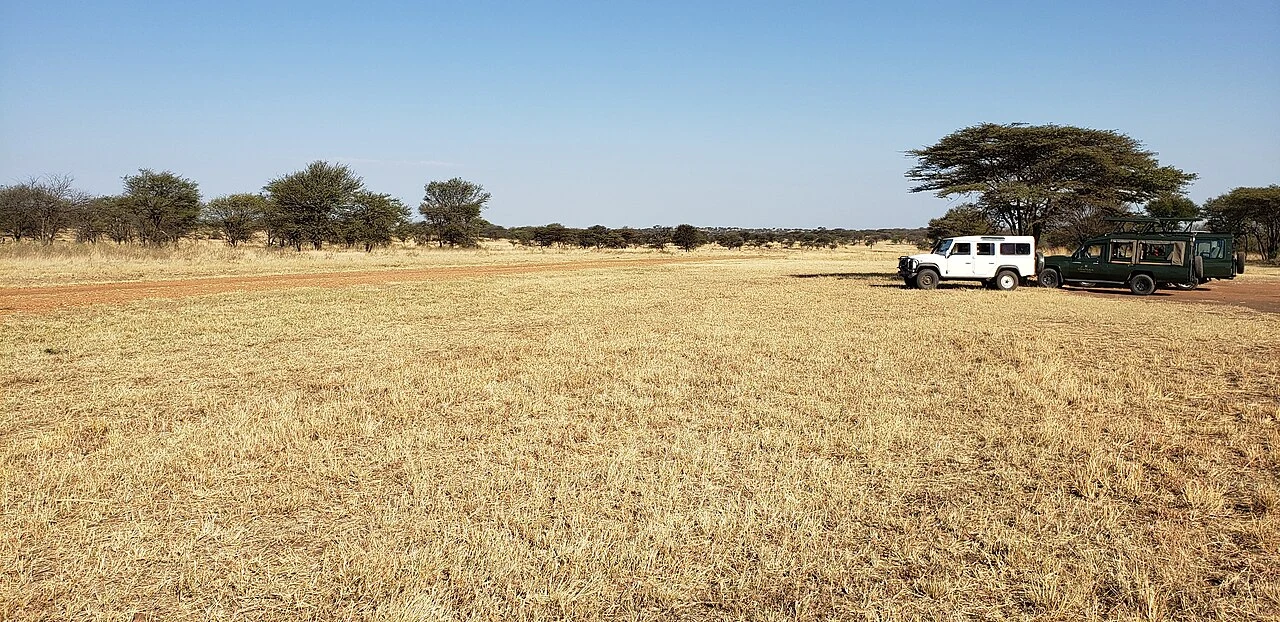
The July 2019 Lobo Airstrip photograph shows vehicles in a named setting. It reminds us that arriving in the park and beginning an outing are separate practical steps. The image does not confirm a present flight or the availability of those vehicles.
Establish the meeting point, the party responsible for a transfer and how changes will be communicated. Ask about luggage or equipment before assuming that the same arrangement works for every part of the trip. Keep the relevant confirmations together so that a question reaches the right organization.
Ask ordinary questions about the stay
- Which spaces and facilities are private, and which are shared?
- What meals or other services are included in the stated arrangement?
- How are practical needs communicated before arrival?
- Which activities are included, optional or supplied separately?
- What do the provider’s current change and cancellation terms cover?
These questions are deliberately ordinary. Clear answers can matter more to the experience than a dramatic room photograph. Avoid inferring current facilities from an older documentary image or from the general category “camp.”

3 Days Serengeti & Ngorongoro Group Camping Safari
On this 3-day camping safari, you will be well looked after and see some of the best that Tanzania has to offer. You will experience breathtaking wild...

4h Quad Adventures in Zanzibar: Nungwi / Kendwa Transfer inclus
The price for this activity applies to a maximum of 2 people per Quad. Whether you book for one or two people, the p...

Stone Town Private Walking Tour
It's fascinating to explore historic Stone Town - a UNESCO World Heritage Site - but it's easy to lose your way in t...

Affordable and Reliable Taxi Services in Zanzibar Island
Our services are reliable and affordable, our drivers are very friendly and they are willing to provide extra help t...
Return to what private means for your party, then compare the actual offer. A well-understood stay should support the intended pace of the visit, with room for real conditions and the work of the people providing it.