

“Private” can describe several different parts of a safari. It might refer to a vehicle reserved for your party, guiding arranged around your interests, a particular transfer, or accommodation used by a limited group. These are not interchangeable. Begin by asking which part of the proposed service is private and which parts are shared.
The Serengeti itself remains a real, shared ecosystem. A booking does not give a party ownership of the wildlife, an empty road or a promised sighting. Our role is to help you read the arrangements clearly enough to decide whether they suit the kind of visit you want.

Balloon Safari & Bush Breakfast in Tarangire - Miracle Experience
Miracle Experience is a premier eco-luxury Hot Air Balloon Safari company based in Tanzania. Our incredible safaris over the Serengeti and Tarangire N...

Balloon Safari & Bush Breakfast in Serengeti - Miracle Experience
Miracle Experience is a premier eco-luxury Hot Air Balloon Safari company based in Tanzania. Our incredible safaris...

Serengeti Balloon Safari and authentic bush breakfast
Some things are worth getting up early for and this is certainly one of them. The wonderful experience of a hot-air...

Materuni Waterfalls, coffee tour & Kikuletwa Hot Springs
A comprehensive trip, combining hiking, coffee learn, local brewers & a refreshing dip at the hot springs Great cha...
Start with the people travelling together
List the members of your party and discuss how they would like to spend a day. Some people enjoy sustained observation in one place; others want a broader introduction to the landscape. Photography, birdwatching, rest and conversation can each change the preferred pace. These interests are useful information for a provider, not a guarantee that every wish can be accommodated.
Describe practical needs concretely. If getting into a vehicle, sitting for long periods or hearing commentary will affect the experience, ask about the actual arrangement. “Suitable for everyone” is less useful than a specific explanation of a step, seat, route or communication method.
Separate the components in writing
| Component | Useful question |
|---|---|
| Vehicle | Is its use reserved for this party during the stated outing? |
| Guiding | Who provides the service, in which language and for which parts of the trip? |
| Transfers | Which journeys are included and which require separate arrangements? |
| Stay | Which rooms, facilities and activities are shared with other guests? |
A written answer can reveal that two apparently similar offers describe quite different experiences. Read the named itinerary, exclusions and change terms together. A private vehicle does not automatically make an entire camp private, and a separately booked flight does not settle the ground arrangements.

Give the location equal attention
TANAPA’s Serengeti brochure, published in its 2019 series, describes access by road and air and several kinds of accommodation. Use that as general orientation, then ask the responsible provider for current arrangements. We do not carry its old tariffs or timetables forward as today’s information.
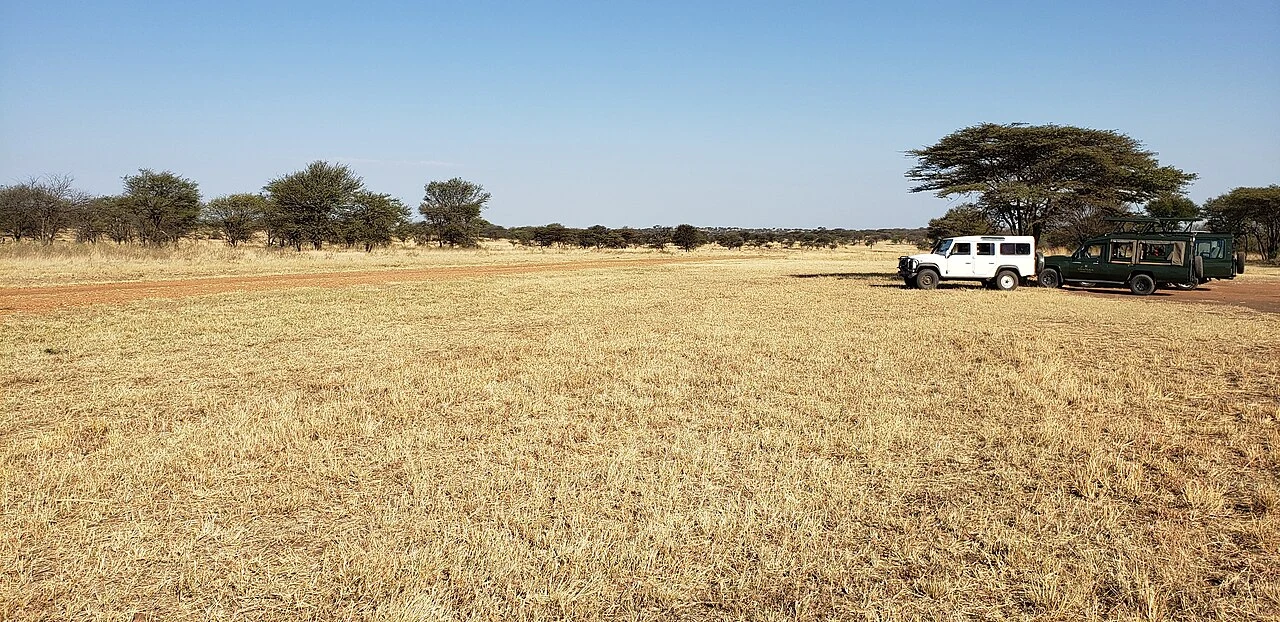
The Lobo photograph shows a documented arrival setting in July 2019. It illustrates why a named place is more useful than a generic transfer picture. It does not establish a current flight, an available vehicle or a relationship between the pictured vehicles and this publication.
Decide what you want room for
Choose two or three priorities before comparing prices: perhaps longer observation stops, a clear guiding conversation or fewer changes of camp. Ask how those priorities would affect the proposed programme. Leave room for conditions and park instructions to shape the day.

Stone Town Private Walking Tour
It's fascinating to explore historic Stone Town - a UNESCO World Heritage Site - but it's easy to lose your way in the area's maze-like, narrow street...

3 Days Serengeti & Ngorongoro Group Camping Safari
On this 3-day camping safari, you will be well looked after and see some of the best that Tanzania has to offer. You...

4h Quad Adventures in Zanzibar: Nungwi / Kendwa Transfer inclus
The price for this activity applies to a maximum of 2 people per Quad. Whether you book for one or two people, the p...

Affordable and Reliable Taxi Services in Zanzibar Island
Our services are reliable and affordable, our drivers are very friendly and they are willing to provide extra help t...
Our provider comparisons may include shared tours and wider Tanzania routes. Read the particular offer rather than assuming that its appearance on this site makes it private. A clear, modest agreement is a stronger beginning than an attractive label whose meaning has never been discussed.